

7 First-Time Buyer Mistakes to Avoid in Andover (and What to Do Instead)
Buying your first home is a rush—equal parts excitement, nerves, and "Are we really doing this?" In Andover, Massachusetts, that feeling can be amplified by strong demand, low inventory in certain price points, and neighborhoods that each have their own rhythm and quirks. The good news: most first-time buyer missteps are completely avoidable with the right game plan. Below are seven common mistakes we see, plus practical "do this instead" fixes that keep you confident, competitive, and protected.

1) Shopping before you're truly pre-approved
The mistake: Falling in love with a home and then discovering your financing can't support it—or your timeline. A basic pre-qualification is a start, but it's often not enough in a competitive setting where sellers want certainty.
Do this instead: Get a full pre-approval with documentation reviewed (income, assets, credit). Ask your lender to explain your real monthly payment range (principal, interest, taxes, insurance, and any HOA fees). In Andover, where prices vary dramatically by location and condition, having a clear ceiling keeps your search focused and prevents heartbreak.
Local tip: Build a budget that accounts for New England realities—heating costs, seasonal maintenance, and the possibility of older-home upkeep if you're drawn to charm and character.
2) Underestimating "all-in" costs beyond the down payment
The mistake: Planning for the down payment but forgetting closing costs, inspections, appraisal gaps, moving expenses, and immediate essentials (locks, paint, a few must-do repairs).
Do this instead: Create a simple "cash-to-close and beyond" worksheet. Many first-time buyers feel more relaxed once they see a realistic reserve plan. A helpful rule of thumb is to keep a cushion after closing for surprises—especially if the home has older systems or deferred maintenance.
3) Ignoring the micro-neighborhood differences
The mistake: Treating Andover like one uniform market. Commute patterns, school zones, traffic flow at peak times, and the feel of a street can change your day-to-day experience more than an extra half-bath ever will.
Do this instead: Visit neighborhoods at multiple times—weekday mornings, evenings, and weekends. Pay attention to how far you actually are from the places you'll use most: parks, groceries, commuter routes, and community amenities. If schools are part of your decision, research the latest district information and align it with your long-term plans.
Storytelling lens: The best first home isn't just a house; it's the routine you'll build—morning coffee, an after-work walk, and weekends spent exploring trails or local events.
4) Falling for the staging and skipping the "bones"
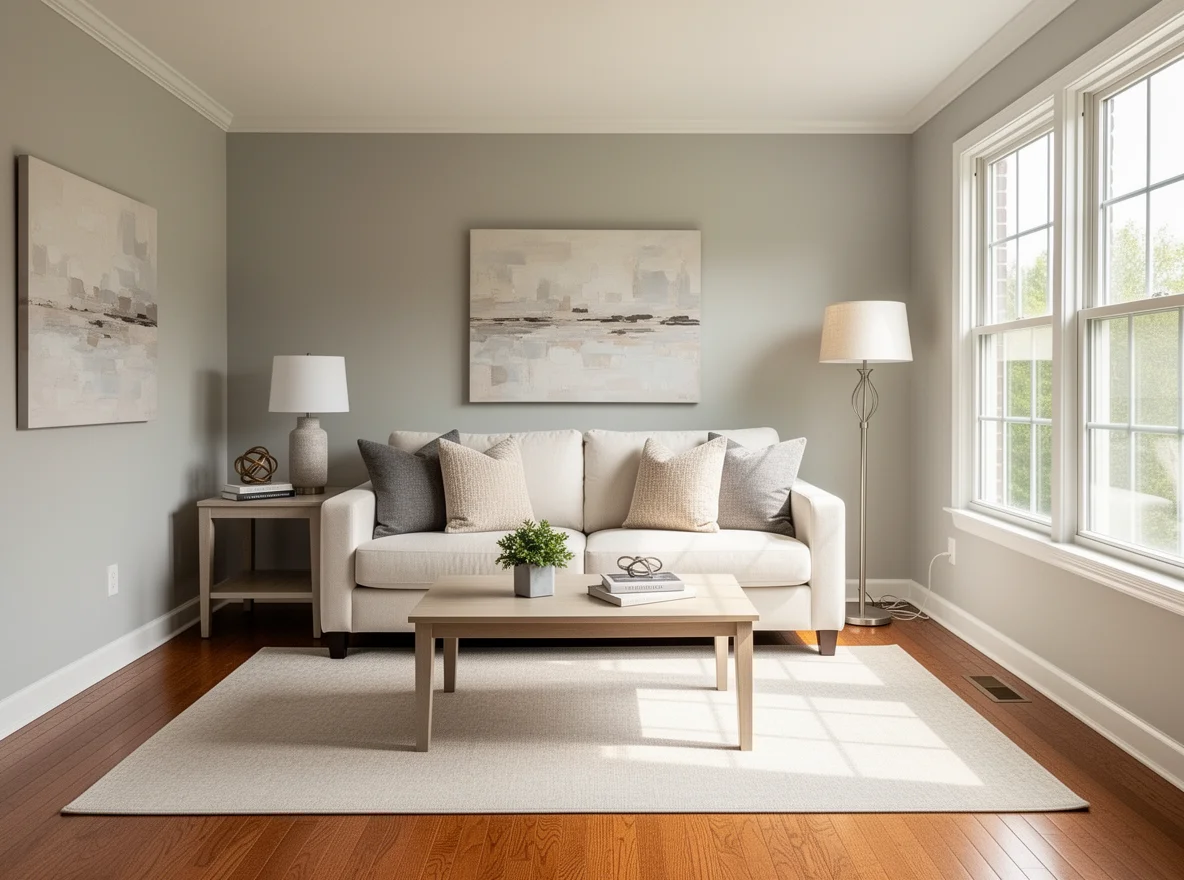
The mistake: Letting pretty furniture and fresh paint distract you from the big-ticket items—roof age, heating system, windows, insulation, drainage, and foundation conditions. In New England, these "bones" can make or break your comfort and your budget.
Do this instead: Walk each home with a systems mindset. Ask about the age of major components and request documentation when available. During showings, note signs of water management issues (grading, gutters, basement odor). A great first home is one where the structure and systems support your life, not one that immediately demands expensive triage.
Reality check: Cosmetic updates are usually optional and can be phased in. Mechanical failures rarely wait for your timeline.
5) Not understanding contingencies (and waiving the wrong ones)
The mistake: Assuming you must waive everything to "win," or using a one-size-fits-all approach. Some buyers waive protections and later discover costly issues; others add so many conditions their offer can't compete.
Do this instead: Customize your strategy to the home and the market temperature. Consider options like a pre-offer inspection (when feasible), reasonable inspection terms, or targeted repair requests based on safety and major systems. The goal is not to be reckless or rigid—it's to be smart. A well-structured offer can be strong without sacrificing your ability to make an informed decision.
6) Overlooking resale value and future flexibility
The mistake: Buying only for today and ignoring what your next buyer will care about. First homes often become stepping-stones—whether that's in three years or ten.
Do this instead: Look for enduring value drivers: functional layout, natural light, reasonable commute access, adequate storage, and outdoor space that's usable. In Andover, buyers also tend to appreciate well-maintained exteriors, efficient heating, and updates that match the home's style. Even small choices—like prioritizing a home with a practical entry/mudroom area—can pay dividends in daily comfort and resale appeal.
Quick gut-check: If the home feels difficult to live in (awkward flow, tiny bedrooms, no storage), it will likely feel that way to the next buyer, too.
7) Letting emotions set the offer price (instead of the data)
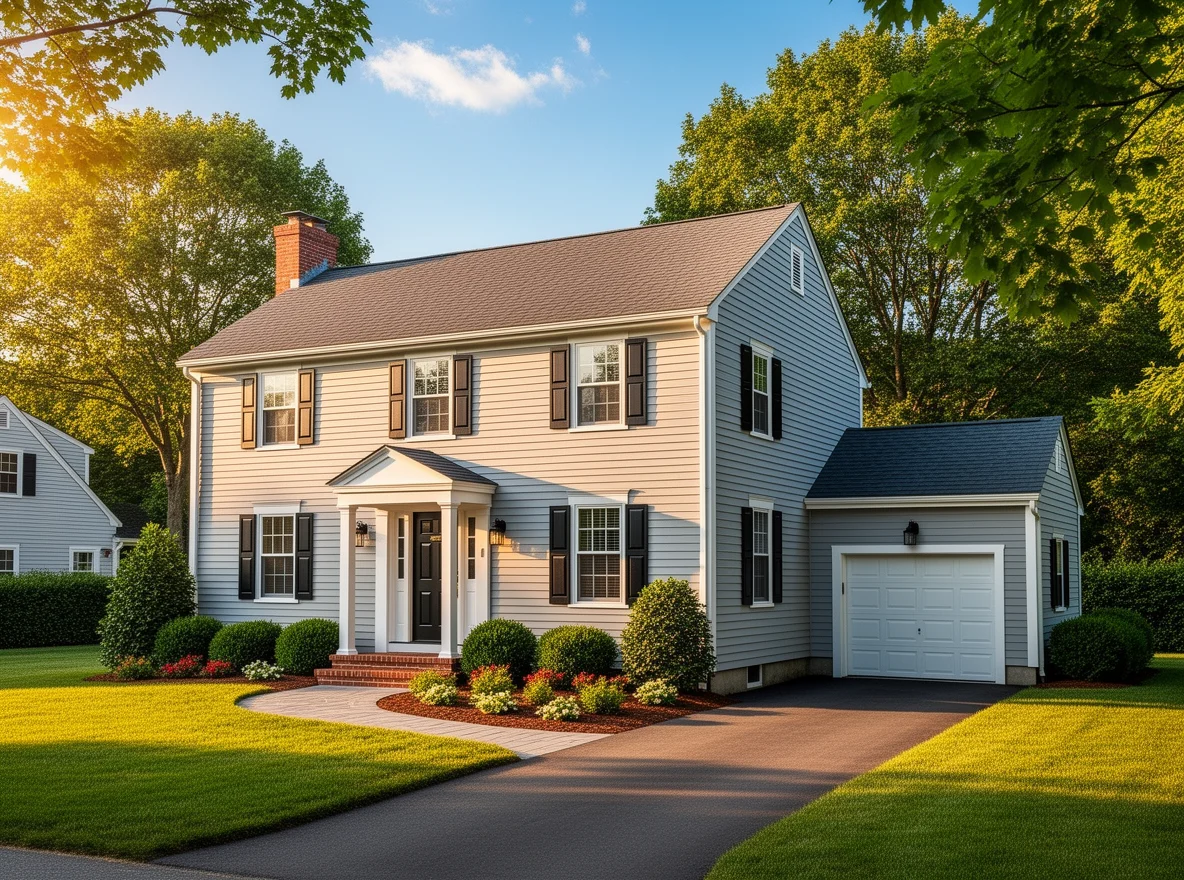
The mistake: Either "going all-in" because the home feels perfect, or lowballing out of fear and missing the opportunity. Both come from the same place: uncertainty about true market value.
Do this instead: Use comparable sales, current competition, days on market, and the home's condition to build a pricing narrative. Your offer should reflect what the home is likely to appraise for and what it will take to be chosen, not just what feels comfortable in the moment. The right strategy might include thoughtful terms—closing timeline, deposit strength, or a clean contingency plan—so you're not relying on price alone.
In practice: A calm, data-led offer is often the one that wins without regret.
How Freitas Realty Team helps first-time buyers in Andover
First-time buyers deserve clarity: what matters, what's noise, and how to make decisions without panic. The Freitas Realty Team focuses on building a step-by-step plan—financing readiness, neighborhood fit, property evaluation, and an offer strategy that protects you while staying competitive. When you know the process, you can enjoy the fun parts: imagining your furniture in the space, planning your first gathering, and picturing a normal Tuesday that finally feels like home.
If you're thinking about buying in Andover, start with a conversation and a realistic roadmap. The goal isn't just to get an accepted offer—it's to land in the right home with confidence, budget breathing room, and a clear path forward.
