

Lawrence Home Prices Explained: What Moves Value Block by Block
Home values in Lawrence aren't a single story—they're a collection of micro-stories written street by street, block by block. Two houses with similar square footage can land in very different price ranges depending on what surrounds them: the feel of the neighborhood, access to parks and commuter routes, and even the direction a backyard faces. If you've ever wondered why one listing feels "priced high" while another seems like a deal, the answer is usually in the details you can't see on a national price chart. Below is a practical, local framework the Freitas Realty Team uses to help buyers and sellers understand what really moves value in Lawrence.

Location premium is local, not theoretical. In practice, buyers pay more for a home that makes day-to-day life easier. Being close to commuter options (including I-495 and nearby rail access), major employers, or reliable routes into Greater Boston can lift demand—sometimes noticeably within a half-mile radius. That premium can also show up near well-used green spaces or along stretches that feel more walkable and well-lit in the evening. When you compare "similar" homes, ask what a typical weekday looks like from that address: errands, school drop-offs, gym time, and the commute. Convenience often shows up directly in the final sale price.
Neighborhood character is measured in curb appeal momentum. Some blocks have a consistent rhythm—kept yards, intact porches, coordinated renovations, and pride-of-ownership cues that signal stability. Those visual signals influence buyer confidence, which influences offers. Even small items matter: modern exterior lighting, fresh paint, tidy fencing, and maintained sidewalks. Conversely, a home with great interior updates can still face pricing friction if the immediate streetscape reads uneven. The market is emotional as much as it is analytical, and first impressions begin before anyone opens the front door.
Housing stock and architecture change the comp set. Lawrence includes a mix of multi-family properties, traditional single-family homes, and historic mill-influenced design language across the region. The value impact depends on what buyers are seeking in that pocket of the city: owner-occupied stability, rental flexibility, or a specific layout style. A thoughtfully updated two-family can outperform a nearby single-family in some conditions—especially when rental income offsets the mortgage—while in other pockets, single-family demand wins out due to yard size, parking, and perceived privacy. The key is comparing apples to apples, and that starts by defining the buyer pool for that block.
The "Block Factors" That Move Price the Most
When pricing a property, it's tempting to look only at bedrooms, bathrooms, and square footage. Those matter, but block-level forces often determine whether a home sells quickly with multiple offers or sits while buyers negotiate. Here are the factors that tend to swing value most sharply in Lawrence:
- Parking and access: Off-street parking, workable driveways, and winter-friendly access can be a major differentiator, especially in denser pockets.
- Noise and traffic patterns: A quieter side street often commands more than a similar home along a busier corridor.
- Lot usability: A small yard that's flat, fenced, and sunny can be more valuable than a larger yard that's steep or oddly shaped.
- Condition consistency: Blocks where many homes are updated tend to lift the ceiling price for the next renovated listing.
- Proximity to community anchors: Parks, recreation fields, and civic spaces can raise demand—particularly for buyers prioritizing lifestyle.
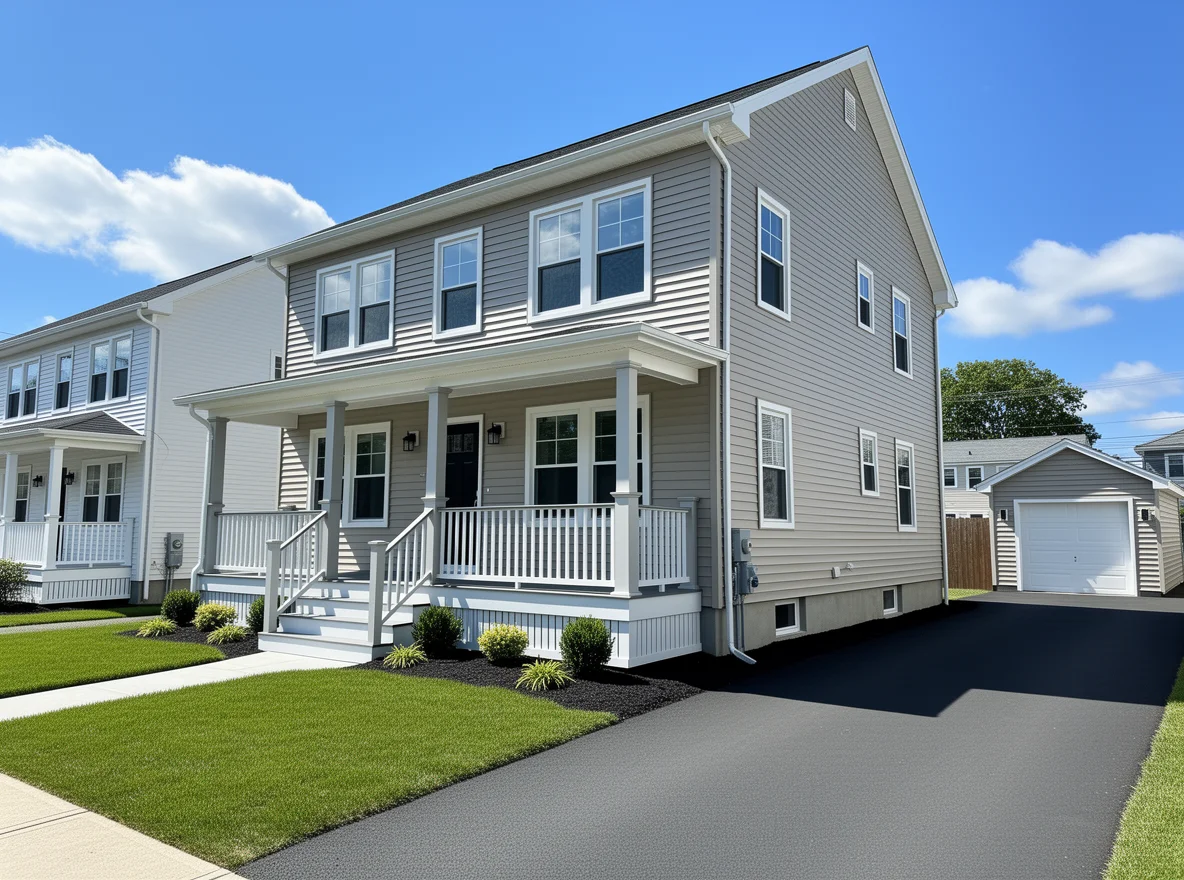
Multi-family pricing has its own physics. For two- and three-family homes, value is influenced by both lifestyle and math. Layout efficiency, separate utilities, parking, and unit condition can shift rental expectations, which then affects what an investor or owner-occupant can justify paying. Even if two properties have similar gross rents, one may trade higher because the units "show" better—clean common areas, updated kitchens, safer stairways, and modern mechanicals reduce perceived risk. On the same street, a property with a cleaner maintenance history can earn a meaningful premium because buyers expect fewer surprises after closing.
Interior finishes matter, but the right upgrades matter more. In many Lawrence transactions, buyers react strongest to kitchens, baths, and major systems—because those are expensive and disruptive to replace. A newer roof, updated electrical, efficient heating, and solid windows often support higher offers even when they're not flashy. Meanwhile, highly personal design choices can narrow the buyer pool. Neutral paint, consistent flooring, and bright lighting tend to help a home appeal broadly. If you're prepping to sell, prioritize improvements that reduce uncertainty and increase livability rather than chasing trends.
Schools and routines influence demand patterns. While every household weighs education differently, many buyers still build their search around school logistics, after-school activities, and commute timing. That affects which pockets get the most showings and how competitive the offer environment becomes. Even beyond schools, proximity to youth sports fields, libraries, and recreation options can add lifestyle value. The more a neighborhood supports an easy routine, the more resilient its demand tends to be when the market shifts.
How the Freitas Realty Team Reads the Market (and How You Can Too)
To understand what a home is really worth, zoom in before you zoom out. Start with recent closed sales that feel truly comparable—same property type, similar lot, similar condition—and then adjust for the block. Next, look at days on market and price reductions nearby; those reveal whether buyers are bidding confidently or negotiating cautiously. Finally, consider seasonality and inventory: when choices are limited, buyers often stretch further for the right street, parking setup, or move-in readiness.
If you're selling, your goal is to position the home so buyers can immediately understand the value. That might mean clarifying parking, highlighting system updates, presenting a clean exterior, and setting a price that reflects the block's demand—not just the citywide average. If you're buying, focus on the factors that hold value over time: a street that feels stable, practical access, and a property condition that won't force urgent repairs in year one.
Closing thought: In Lawrence, "value" is rarely one big number—it's a set of trade-offs buyers feel the moment they arrive. When you evaluate homes the way the market does—through block-by-block signals, lifestyle ease, and risk reduction—you make better decisions and negotiate with more confidence. If you want a tailored read on your street or a specific property type, the Freitas Realty Team can help you interpret the comps and the neighborhood context so your next move is grounded in real local reality.
