
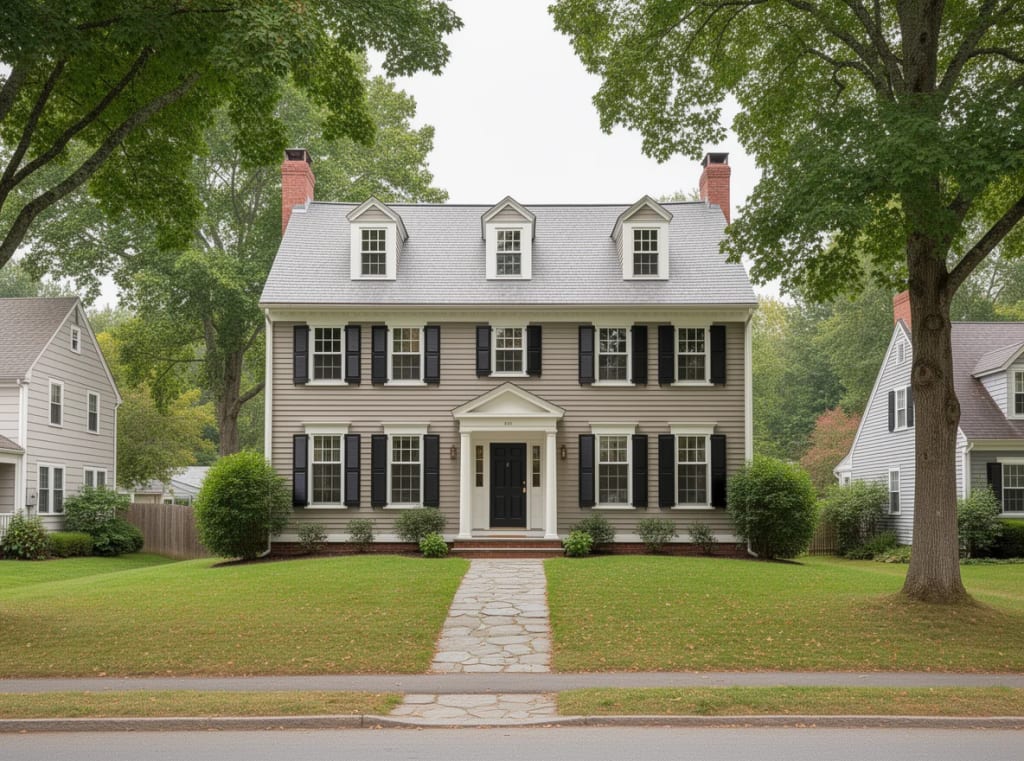
The "Old House" Test: Separating True Charm from Surprise Costs in Andover, MA
There's a special kind of magic to an older home—the solid doors, the detailed trim, the way sunlight lands on original wood floors. In Andover, Massachusetts, USA, that charm shows up in neighborhoods where history feels lived-in, not staged. But the same features that make a house feel timeless can also hide expensive "now or soon" projects. The goal isn't to avoid older homes—it's to learn a simple, practical test that helps you buy with confidence.
Think of the "Old House" Test as two questions: What's delightfully original, and what's nearing the end of its service life? When you can label each feature as either character or capital expense, you start to see the home clearly, not emotionally.
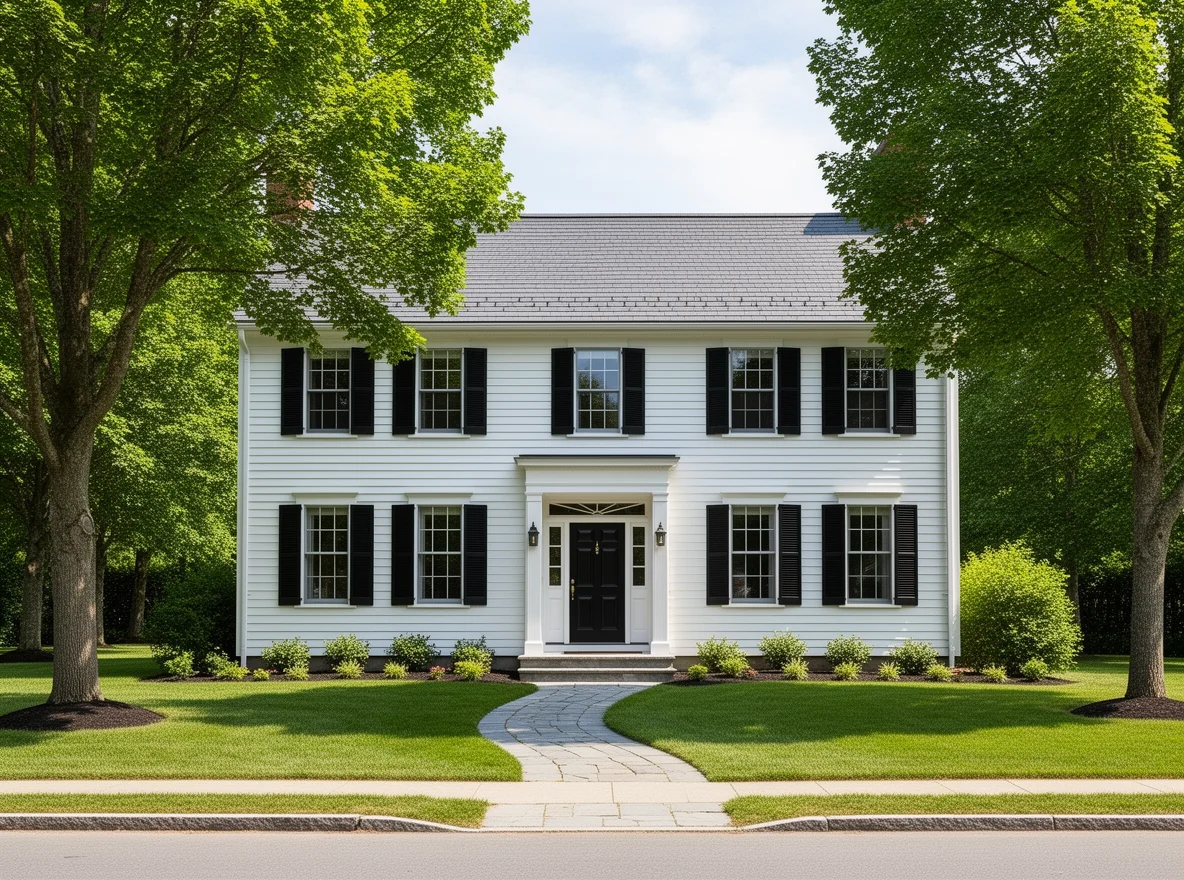
Step 1: Identify "non-negotiables" before you fall in love. In an older Andover home, the biggest budget shocks usually aren't cosmetic. Focus first on structure and major systems: roof age and condition, signs of water intrusion, electrical service size and panel health, heating system age, and insulation levels. If a home has gorgeous millwork but an aging roof and a near-retirement boiler, you're looking at charm plus a timeline. That's okay—if the price and plan match reality.
Step 2: Read the house from the basement up. Start at the lowest level because it tells the truth. Look for consistent moisture control, clean transitions where foundation meets framing, and evidence of past water events. In New England, it's also smart to watch for older drainage setups and grading that pushes water toward the home. Then move upward: uneven floors can be normal settling—or a clue to structural movement. The "test" is noticing patterns. One hairline crack is different from repeating, stair-step cracks paired with sticky doors and sloped floors.
Step 3: Learn what "good old" looks like. Some features are simply better because they're older: thick plaster walls that dampen sound, solid wood interior doors, and mature landscaping that gives immediate privacy. Original windows can be a nuanced decision—sometimes they're worth preserving with storms, sometimes replacement makes sense for comfort and efficiency. What matters is whether the home has been maintained with care. A well-kept older house often shows consistent upgrades over time, not one rushed renovation.
The Charm Checklist: What Adds Value Without Adding Stress
When buyers talk about "character," they usually mean details that elevate daily life without demanding constant attention. In Andover, that might include thoughtful built-ins, a welcoming front entry, or a layout that balances classic rooms with comfortable flow. These are the elements that make a house feel like a home the moment you step inside—especially if the fundamentals are solid.
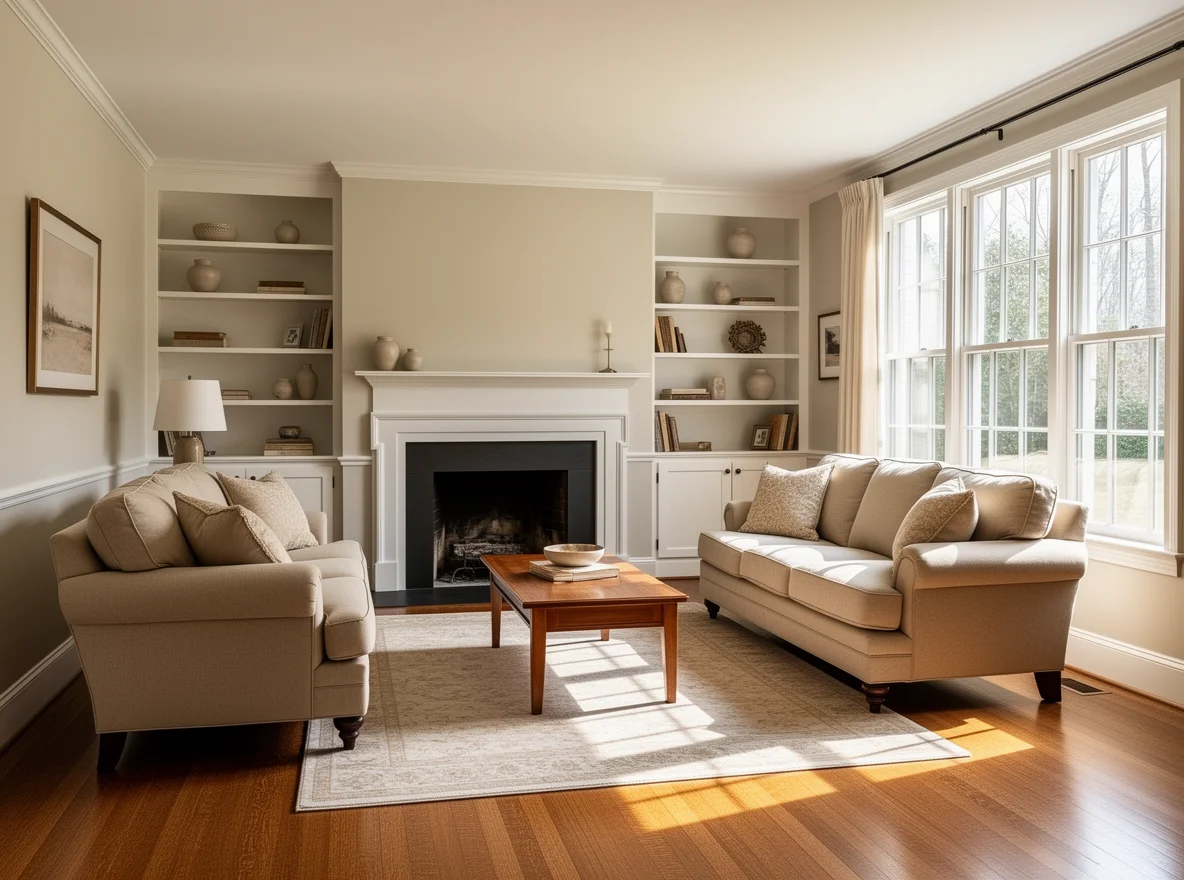
Green-flag features to celebrate: refinished hardwoods, quality trim that hasn't been painted into oblivion, solid staircases, and a fireplace that's been maintained (with documentation). Even small things—like doors that close cleanly and windows that operate smoothly—often indicate ongoing care. If the home "functions well" while still feeling old, you may be looking at the best kind of charm: the kind that doesn't require a toolbox every weekend.
Andover's lifestyle also plays into what feels valuable. Proximity to parks and trails, a peaceful neighborhood rhythm, and easy access to everyday conveniences can make an older home feel even more livable. Many buyers prioritize commutes and community amenities alongside the house itself—because the right location reduces stress long after the inspection report is filed away.
School planning matters, too. Even if you're not buying based on schools today, future resale often is. Keeping an eye on how the home fits into the broader community—streetscapes, nearby recreation, and overall neighborhood upkeep—can help you judge long-term value beyond the kitchen finishes.
The Cost Checklist: Where Older Homes Can Quietly Drain Your Budget
Older homes can be incredibly rewarding, but they don't forgive ignored maintenance. The "Old House" Test asks you to treat certain categories like a business decision, not an aesthetic one. Roofing, HVAC, electrical, plumbing, and moisture management are the usual top five. Then come the "quiet costs": outdated insulation, older windows without storms, chimney repairs, and deferred exterior paint or siding work.
Watch the difference between "updated" and "upgraded." A home can look updated with new light fixtures and fresh paint while still running on older infrastructure. Ask practical questions: What's the age of the heating system? Has the electrical been modernized with appropriate capacity? Are there records for major work? In a competitive market, it's easy to skim disclosures—yet documentation is often where confidence comes from.
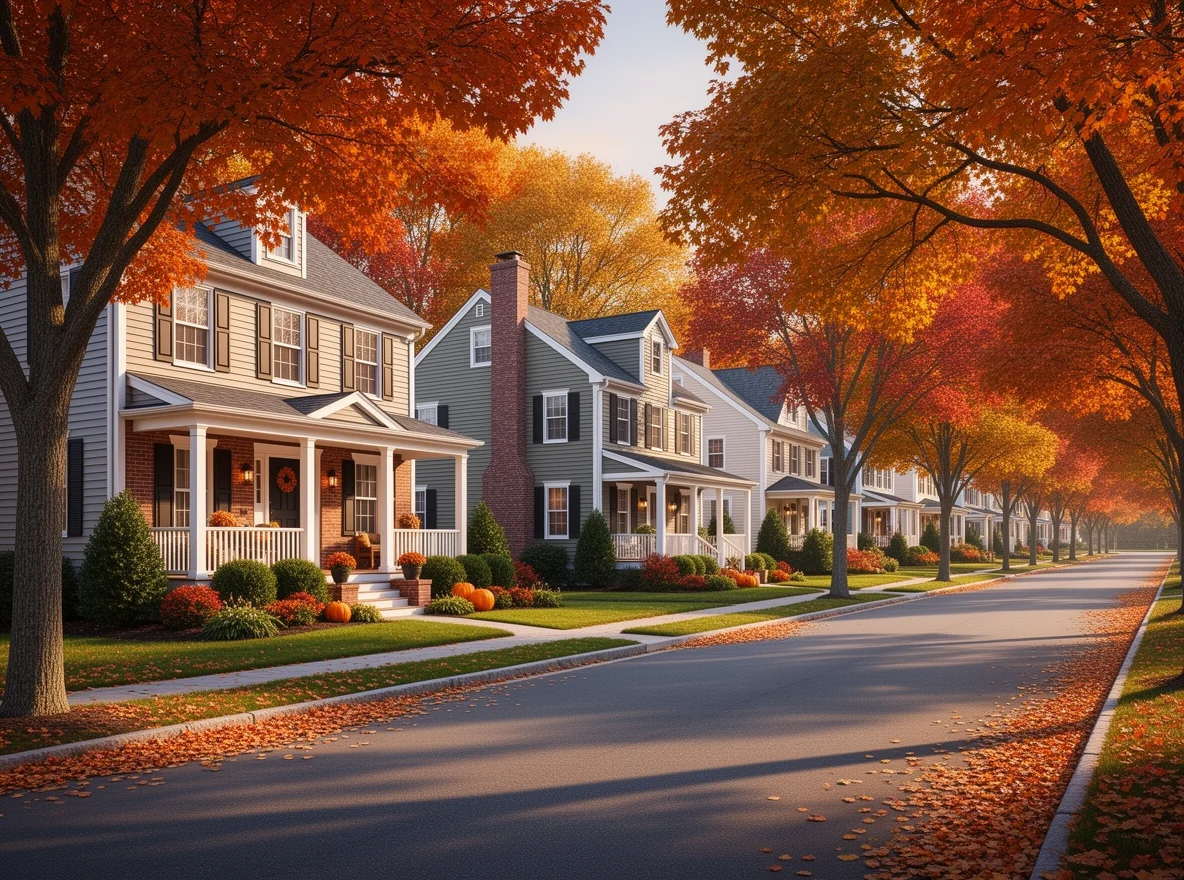
Then do a "comfort test" during your showing. Does the second floor feel noticeably warmer or cooler? Are there drafts near windows? Do you smell moisture in lower levels? Comfort issues often translate to real costs—either in energy bills or in upgrades you'll want sooner than expected. In New England seasons, a home that feels comfortable in both warm and cold weather is telling you something important about insulation, air sealing, and system performance.
Budgeting tip: once you've identified likely near-term projects, group them into "must-do in year one" versus "nice-to-do in years two to five." That simple timeline can help you decide whether you're buying a charming home with manageable projects—or signing up for a renovation marathon. It also informs negotiation strategy, especially when inspection findings align with visible aging.
How to Buy With Confidence (Without Losing the Feeling)
Confidence comes from pairing your emotional reaction with a clear plan. Tour with intention, review disclosures carefully, and lean on a thorough inspection—then translate findings into a realistic ownership budget. The right older home in Andover can offer a lifestyle that's hard to replicate: established neighborhoods, timeless architecture, and that unmistakable sense of place. With the "Old House" Test in mind, you don't have to choose between charm and peace of mind—you can have both, as long as the numbers and the home's condition agree.
If you'd like a second set of eyes on an older home—what's special, what's concerning, and what's simply typical for the age—Freitas Realty Team can help you evaluate options thoughtfully so you can move forward with clarity.
