

Methuen Commute Reality Check: Choosing a Neighborhood That Matches Your Morning
Commutes aren't just math—they're mood. The same "minutes to work" can feel wildly different depending on whether you're crawling through a couple tight intersections, hunting for parking at the station, or hopping onto a highway on-ramp in under two turns. In Methuen, Massachusetts, the smart move is to pick a neighborhood that fits how you actually travel: car, rail, bus, or a hybrid routine that changes by season. The goal isn't merely a shorter drive; it's a smoother start and finish to every weekday.
What makes Methuen especially practical is its proximity to major corridors and nearby job centers, while still keeping a residential feel—tree-lined streets, parks, and a mix of housing styles that range from classic colonials to updated condos. If you're working toward Boston, the North Shore, southern New Hampshire, or the Merrimack Valley, neighborhood choice can reduce friction: fewer left turns across traffic, easier access to commuter rail options, and a faster "last mile" once you're back home.

Start with the route, not the house: your "commute profile"
Before you tour homes, map your real routine. Do you leave at 6:30 a.m. and need highway access fast? Do you prefer a train-and-walk rhythm? Are you dropping off kids first, or running errands on the way home? In a place like Methuen, two homes can be the same distance from your workplace but deliver completely different daily experiences because of traffic patterns, intersection bottlenecks, and how quickly you can reach the roads that matter.
For Boston-bound commuters, many residents lean on a commuter rail plan via nearby stations (commonly in Lawrence or Andover) combined with a short drive or rideshare. If your job is in southern New Hampshire—Salem, Nashua, or Manchester—your best day often starts with quick access to I-93 or Route 213 rather than a scenic detour through local streets. And if your work is closer to the Merrimack Valley—Haverhill, Lowell, or the Route 495 belt—then direct connections to Route 110, Route 28, and I-495 may matter more than anything else.
Practical tip: test-drive the commute at your actual departure time at least once. A "10-minute difference" on paper can become a daily stress tax when it's the wrong ten minutes.
Neighborhood feel vs. ramp time: where Methuen can surprise you
Methuen has pockets that feel tucked away—quiet streets, more greenery, a little extra breathing room. Those areas can be wonderful for weekends and evenings, but they may add a few minutes to your weekday start simply because you're farther from the most efficient connectors. Meanwhile, neighborhoods closer to key arteries can offer a faster jump to the highway and easier access to regional shopping, fitness, and services—sometimes at the cost of a bit more traffic noise or busier intersections.
Ask yourself what you want to optimize: the fastest on-ramp, the easiest station run, or the calmest end-of-day return. Often, the best compromise is a neighborhood that feels residential but doesn't require weaving through multiple lights to get to the roads you'll use five days a week.
Rail-friendly routines: positioning for station access and the "last mile"
Even if you don't take the train daily, being close to a station option can be a huge quality-of-life upgrade. It gives you a backup plan for days when traffic spikes, weather complicates your drive, or you simply want to read instead of white-knuckle the steering wheel. For many Methuen commuters, the sweet spot is a neighborhood that makes it easy to reach nearby commuter rail access points without forcing a long cross-town trip first.
When you think about rail, don't stop at the station itself. Consider parking availability, where the backups happen at peak times, and how you'll handle the "last mile" on the city end. A home that's slightly closer to your preferred station approach route can save time twice—once in the morning, and again when you're coming back and just want a simple, predictable drive home.
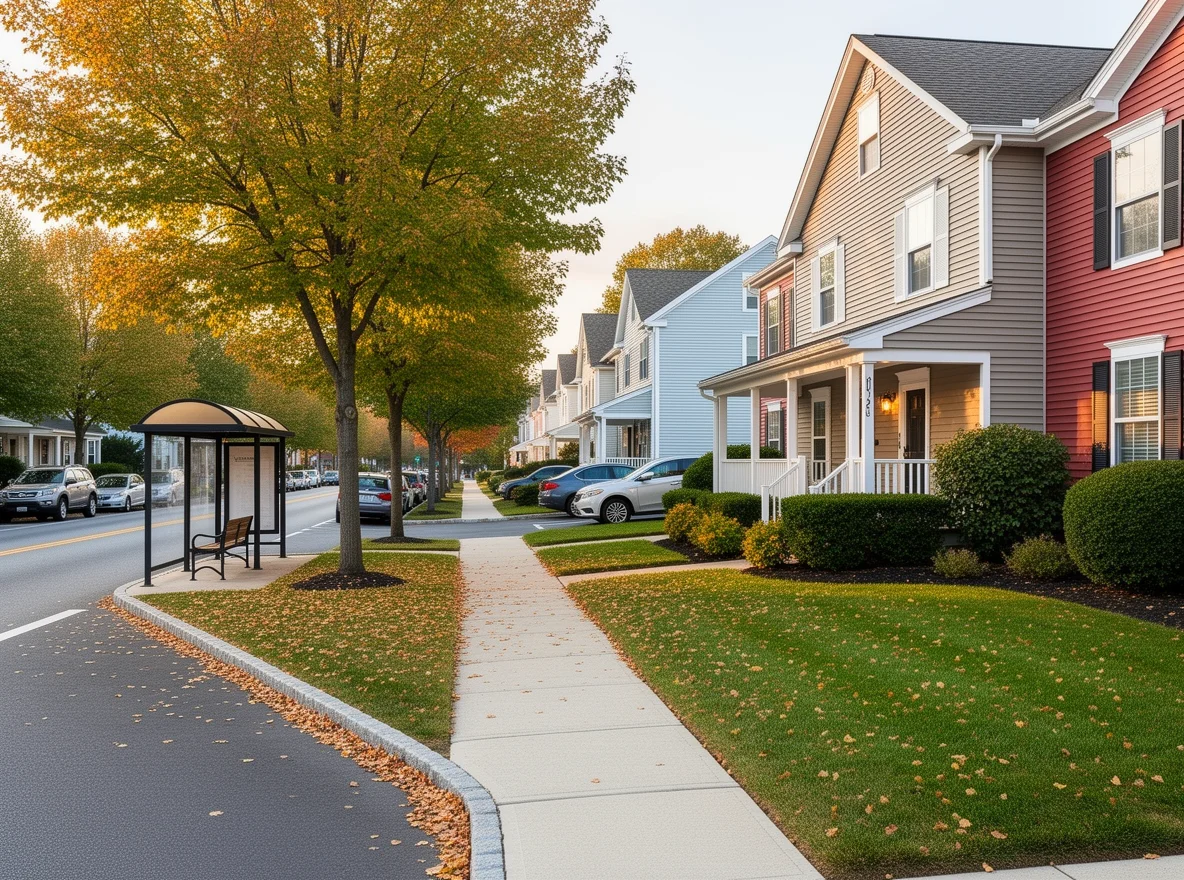
School mornings, after-school schedules, and why they change the best neighborhood choice
Commute planning gets real when you layer in school drop-off, sports practices, and the everyday logistics that happen between 7:00 and 9:00 a.m. and again late afternoon. A neighborhood that looks perfect for an adult-only schedule can feel challenging when you add multiple stops and tight timing. In Methuen, it's worth considering how quickly you can reach the places you'll visit repeatedly: schools, fields, parks, and routine services—so your "commute" isn't only measured to the office, but to your whole weekday loop.
Families often prioritize a home base that reduces backtracking: a straightforward route to morning obligations, then a clean exit to the highway or train plan. Meanwhile, households with flexible or hybrid work may value a quieter street and a comfortable home office setup, since the commute isn't daily. The best match depends on your pattern—full-time in-office, split schedule, or travel-heavy weeks with occasional remote days.
Quality-of-life checklist:
- Can you get to your main commuter connector without crossing multiple busy intersections?
- Is there an easy alternate route if there's a crash or construction?
- Will the return trip feel stressful at peak afternoon times?
- Do errands fit naturally on the way home, or do they require a separate trip?
Home styles and commute trade-offs: what you get at different "drive-time tiers"
Methuen's housing mix makes it possible to prioritize what matters most—space, yard, updates, or maintenance simplicity—while still keeping a workable commute. In general, neighborhoods with quicker access to major routes can be a good fit for buyers who value predictability and time savings, while slightly more interior pockets can reward you with a calmer setting, more privacy, or a different style of housing stock.
Condos and lower-maintenance options may appeal to commuters who travel frequently and want "lock-and-leave" ease. Single-family homes with larger lots can be ideal for those who don't mind a few extra minutes in exchange for outdoor space, gardening, or room to spread out. Neither choice is universally better—the key is aligning your home type with how much energy you want to spend on the commute and on upkeep.
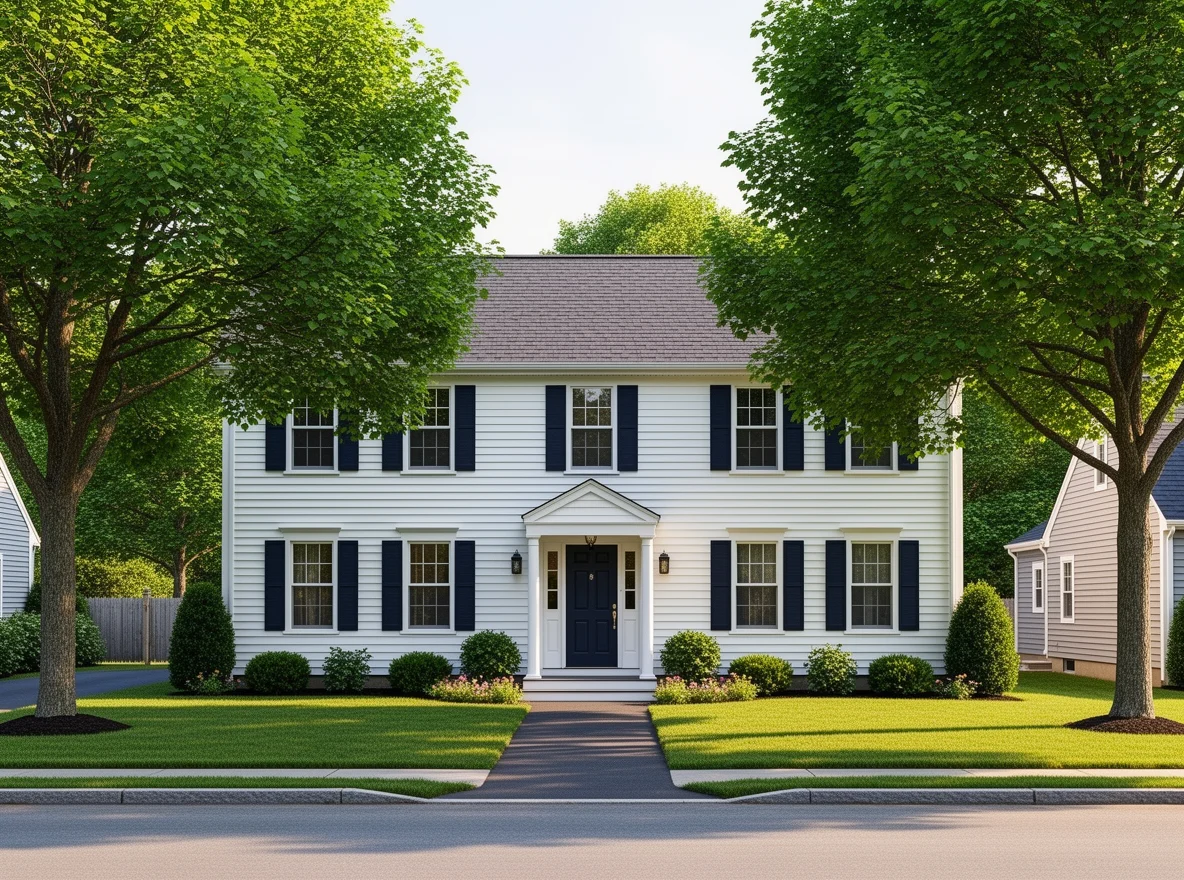
Amenities that matter when you're commuting: parks, recreation, and evening resets
The commute isn't only about getting out—it's about returning to a place that helps you decompress. Methuen offers a range of everyday amenities that make weekday life smoother: parks for a quick walk, recreation options for kids' activities, and easy access to neighboring communities for bigger errands. When you're balancing work and home, having a few "reset" options nearby can make the whole routine feel lighter.
If you're new to the area, also consider how your social and leisure life fits in. A neighborhood that keeps you close to community spaces and local events can make it easier to build connections, especially if you're commuting to a different city and don't want to drive again at night just to meet friends or unwind.
Putting it all together: a practical way to choose the right Methuen neighborhood
Try this simple approach: pick your top two commute strategies (for example, "fast highway access" and "easy station run"), then prioritize homes that serve both without requiring a complicated route. From there, layer in lifestyle—schools, recreation, and the type of home that fits your day-to-day reality. When you find a place that supports your mornings and your evenings, it doesn't just improve your schedule; it improves how you feel about the week.
If you want a second set of eyes on the trade-offs—ramp time versus neighborhood quiet, station access versus yard size—the Freitas Realty Team can help you compare options with a commuter's perspective. The right home in Methuen isn't only the one you love when you walk through the front door; it's the one that keeps your daily route manageable long after the excitement of moving day.
